Insights on longevity, preventive care, and the future of medical AI.
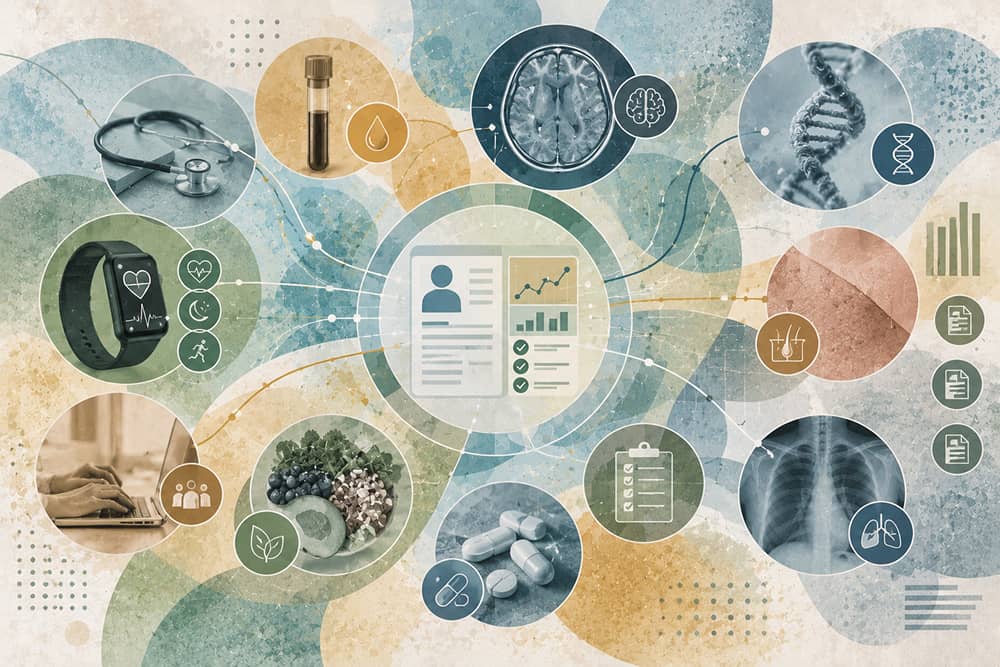
A framework for evaluating clinical data integration tools: what separates real integration from a dashboard, and where AI decision support fits.
Protocol drift starts inside a single clinic before a second location exists. Here's what clinical protocol standardization actually requires.
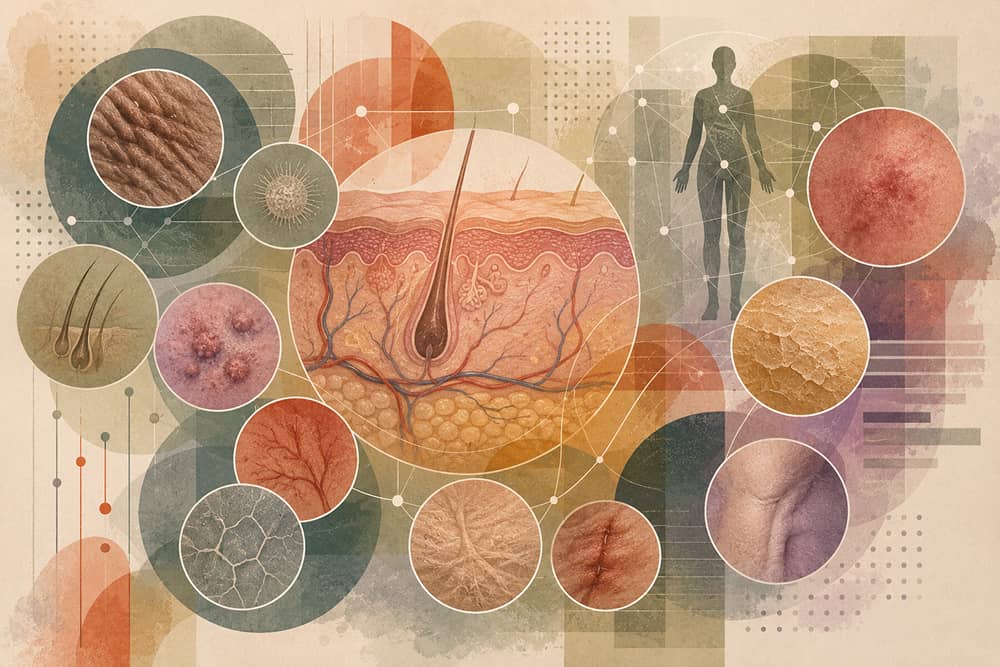
A patient books for acne at forty-three. Another mentions, almost in passing, that her hair has been thinning for a year. A third has velvety darkening in the axillae that she assumes is a hygiene problem and has not mentioned to anyone.
It is one of the most common opening lines in midlife primary care, and one of the least diagnostically useful on its face.
Two questions come up in almost every conversation we have with clinics about wearable data. The first is whether any of it is billable.
Send one blood sample to three biological age tests and you will get three answers.
Patients arrive asking about filler. The more useful question is what the face is reporting about the rest of the body.
The most common failure in peptide conversations is not credulity. It is flattening.
Ordering discipline is an underrated clinical skill. The temptation in preventive medicine runs toward breadth, partly because patients arriving at a longevity or concierge practice often expect it, and partly because a wide panel feels thorough.
A patient arrives with a printout, a podcast episode queued on their phone, and a specific request. They want BPC-157 for a tendon that has not settled in eight months.
Physicians get asked this constantly, usually at the end of an appointment and usually in the form “which one should I get”.
Roughly one in four American women over 40 is on a statin, and the fraction climbs steadily with age. Tens of millions of postmenopausal women take one of the most studied drugs in the history of medicine, every day, for years.
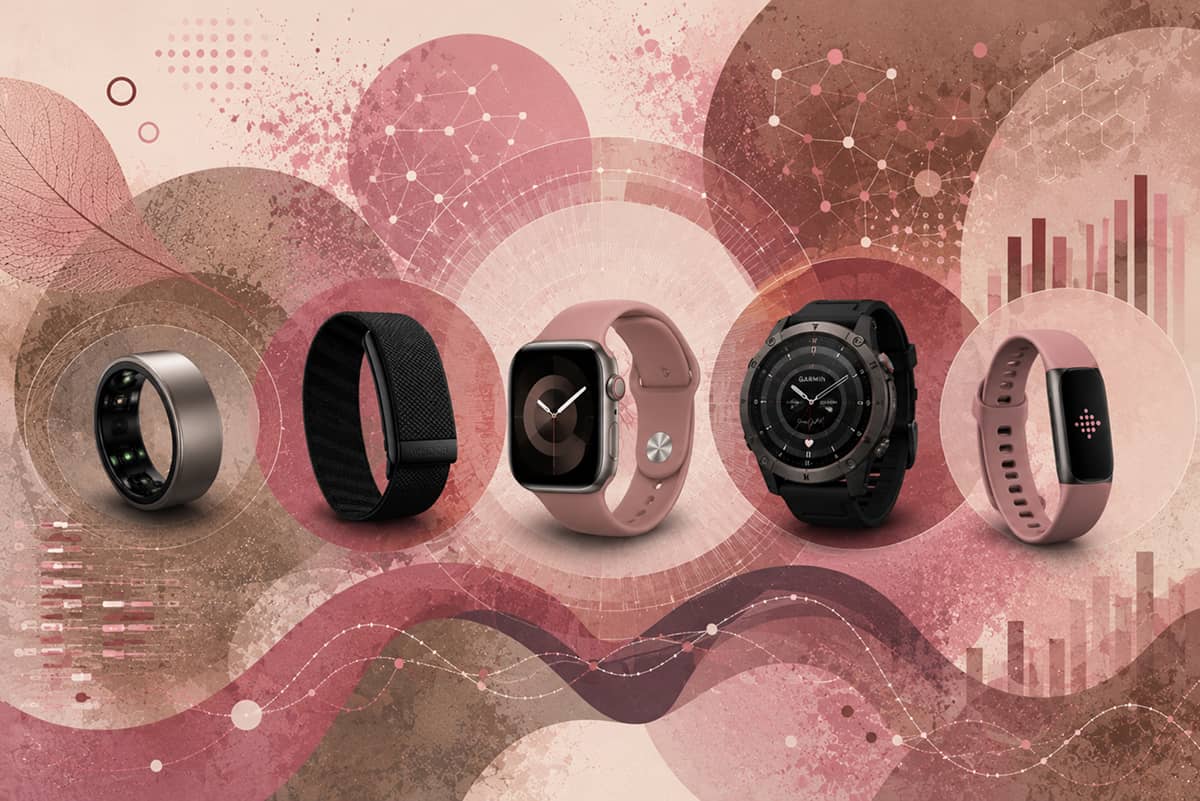
Wearables for longevity clinics mostly track the same metrics. What really differs is accuracy, wear, and a few distinct sensors like CGM and ECG.
The annual physical is one of medicine's most enduring rituals and one of its strangest.
New research changes how preventive physicians should assess cognitive risk in women. A clinical guide to sex-specific risk stratification and longitudinal brain health tracking.
I trained in emergency medicine, where protocols are not paperwork. They are the difference between a chaotic resuscitation and a coordinated one.
For most of the last decade, a patient's biological age arrived as a single number. You drew blood, sent it to a lab running an epigenetic clock, and weeks later a value came back.
I trained in emergency medicine. The ED is where I first learned that the most important clinical skill is knowing what we do not know, fast, and acting under uncertainty without freezing.
Longevity clinics collect more patient data than ever, yet most physicians spend hours piecing it together before seeing a single patient. Here's what data fragmentation actually costs preventive care.
There is a body of human research in longevity medicine that almost no Western physician has read in the original.
A CEO's view on operationalizing personalized longevity care: the infrastructure, the moments clinics break, and what to build before you scale.
Last week, Google DeepMind published its [AI co-clinician research](https://deepmind.google/blog/ai-co-clinician/), a multi-month study on what it takes to build AI that physicians can actually trust inside the consultation room.
Understanding the distinction between deterministic and probabilistic AI is foundational to evaluating any clinical AI tool responsibly.
Predictive medicine identifies disease risk before symptoms appear using longitudinal data and AI. Learn how it compares to diagnostic medicine and why the shift matters.
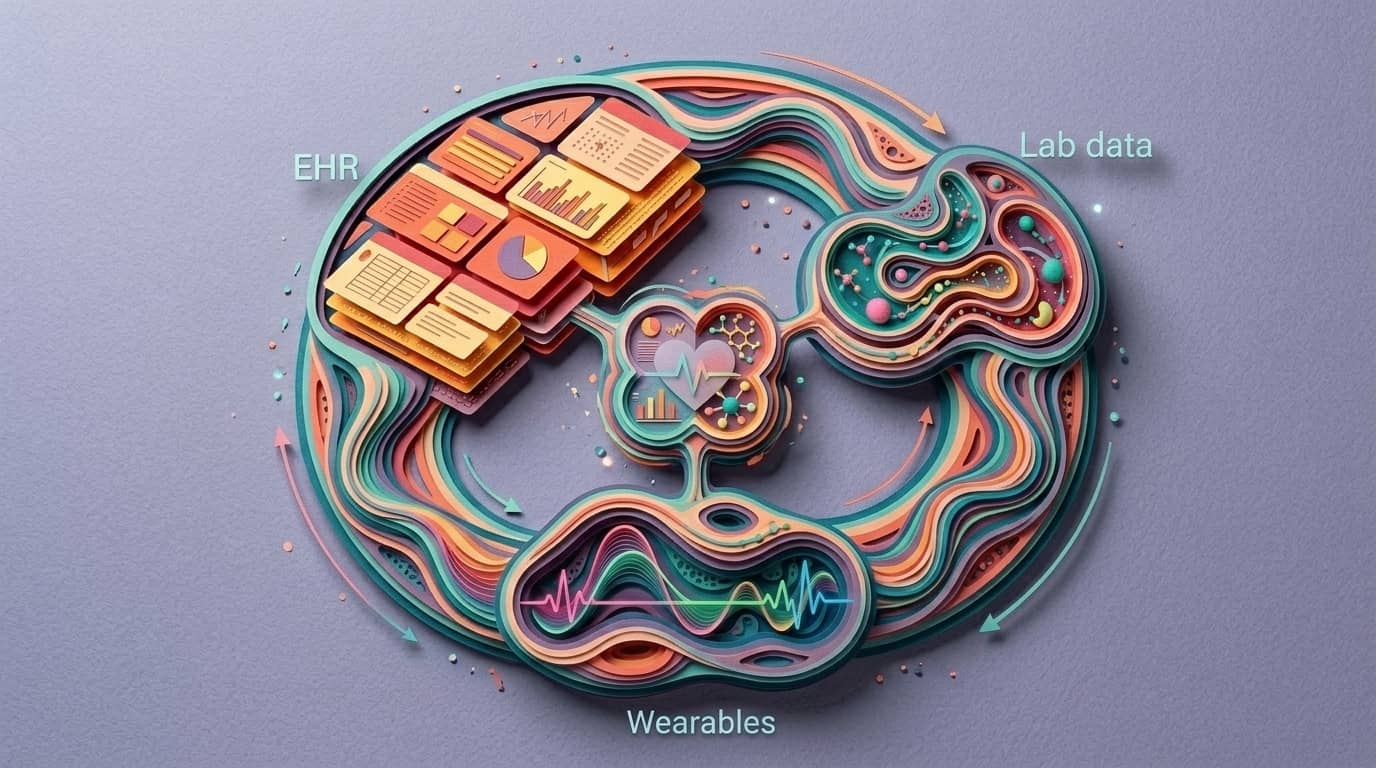
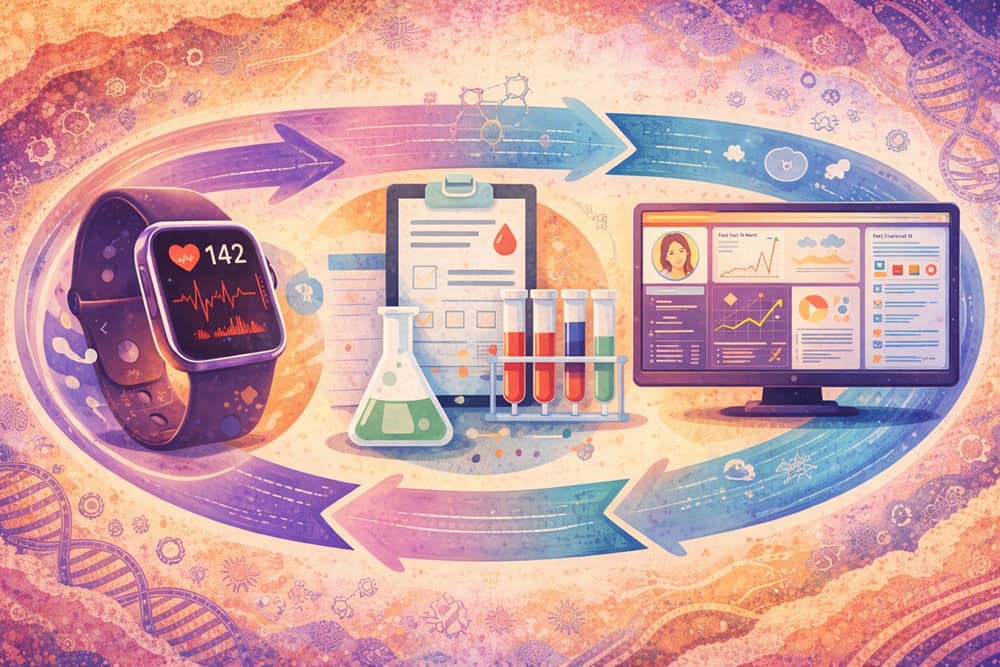
Why most preventive care clinics fail at integrating EHR, lab, and wearable data, and what the infrastructure solution to make this happen actually looks like.
Get to know why AI tools that look things up in real time are fundamentally safer than those relying on memory.
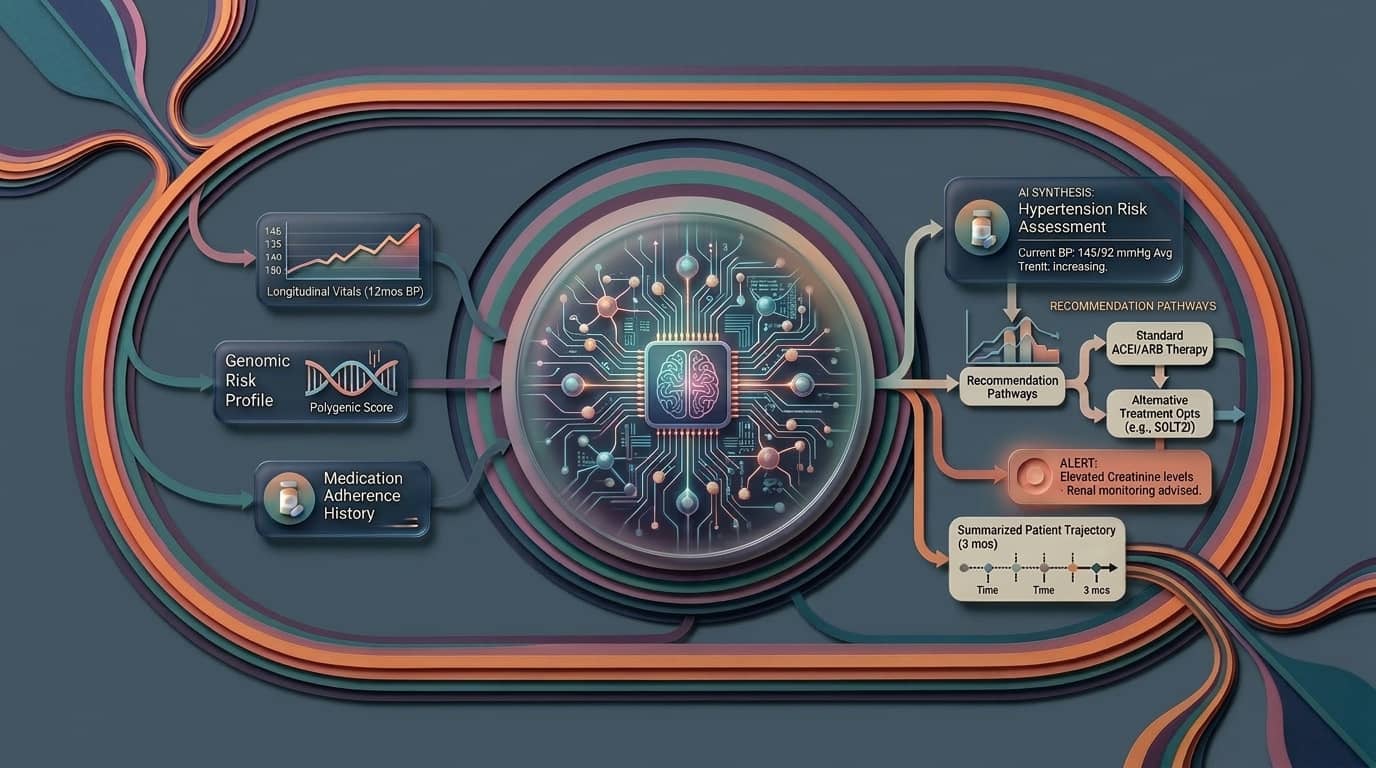
Text, imaging, lab values, waveforms - all processed in a single model. The clinical implications of multimodal AI models are enormous.
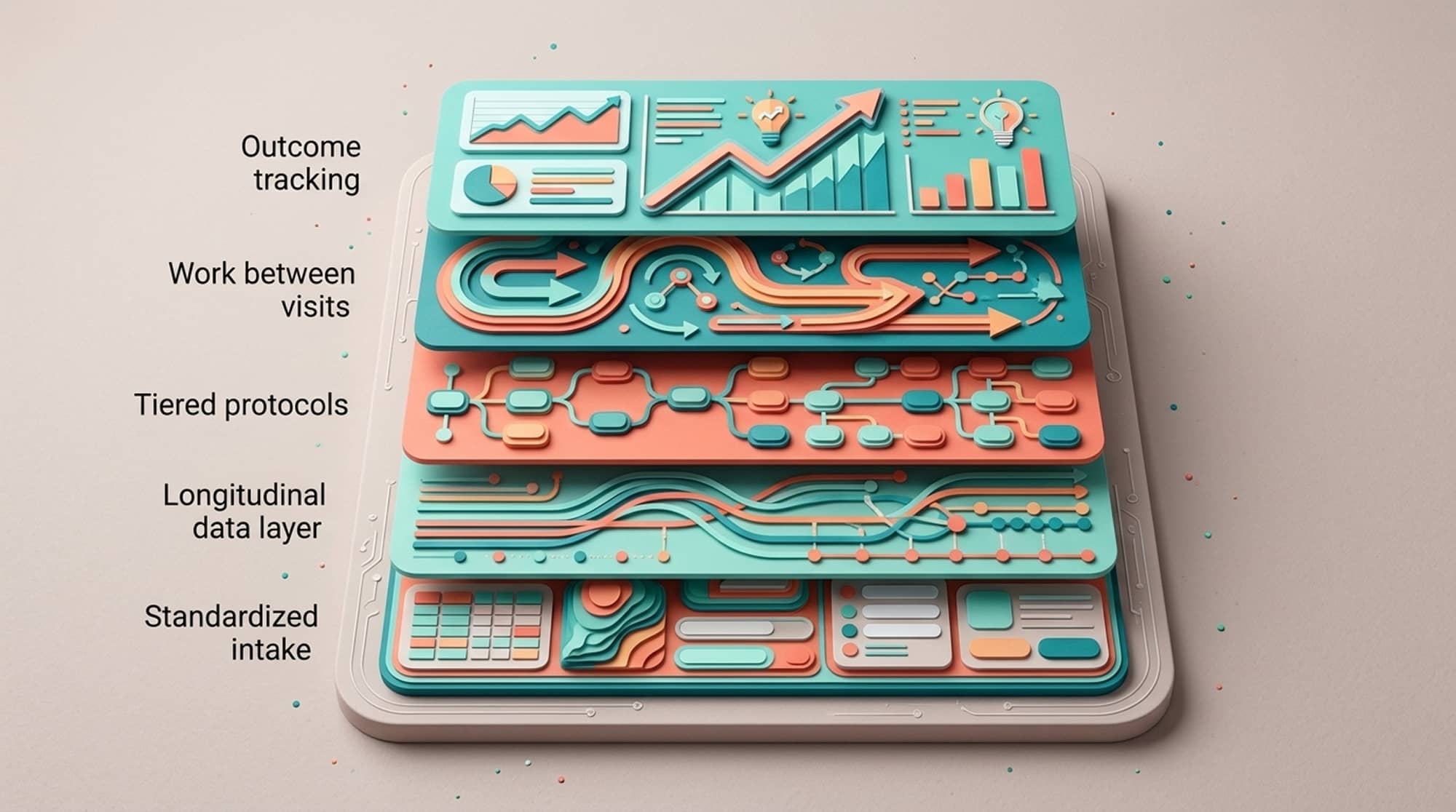
Learn what longevity medicine workflow software is, the end-to-end clinic workflow it supports — from intake through labs, protocols, and follow-up — and a practical checklist to evaluate platforms.
When a physician can see a patient's full biological picture in one unified view, the quality of clinical decisions changes entirely. Here's what precision preventive medicine looks like when it runs the way it was always meant to.
The longevity market is flooded with wearables, diagnostic platforms, and supplement stacks. As a physician-facing company, we built a framework for deciding what belongs in the clinical workflow and what belongs in the noise. Here's what we found.
A clinical assessment of longevity therapeutics including NAD+ precursors, senolytics, mTOR inhibitors, GLP-1 agonists, and hormetic protocols. Written for physicians who want to lead this field with scientific integrity.
Biological age testing is transforming longevity medicine. Discover how Longevitix helps clinics turn aging biomarkers into actionable, evidence-based care.
Apple Watch data and AI health analysis can create confusion without physician oversight. Learn why wearable health data needs clinical interpretation, deterministic AI safeguards, and preventive care infrastructure to turn metrics into meaningful health outcomes.
Discover the 7 biggest operational challenges facing longevity and preventive medicine clinics and how modern platforms solve lab data, biomarkers, and workflow issues.
Google's AI health errors exposed a critical gap: 66% of physicians use AI, but 44% error rates and fragmented infrastructure reveal why measurement without clinical integration fails. Longevitix CEO Effie Arditi explains what's missing and why purpose-built systems matter more than algorithms.
Insurance companies are investing billions in preventive care. Discover the infrastructure gaps blocking functional medicine practices from this growing market.
Walk into any health tech conference today and you'll hear the same refrain: AI is revolutionizing healthcare.
Come meet the Longevitix team at booth #13035!
We've built modern medicine on snapshots. A patient walks into your clinic, you order labs, interpret the results against reference ranges, and make clinical decisions based on that single moment in time.